
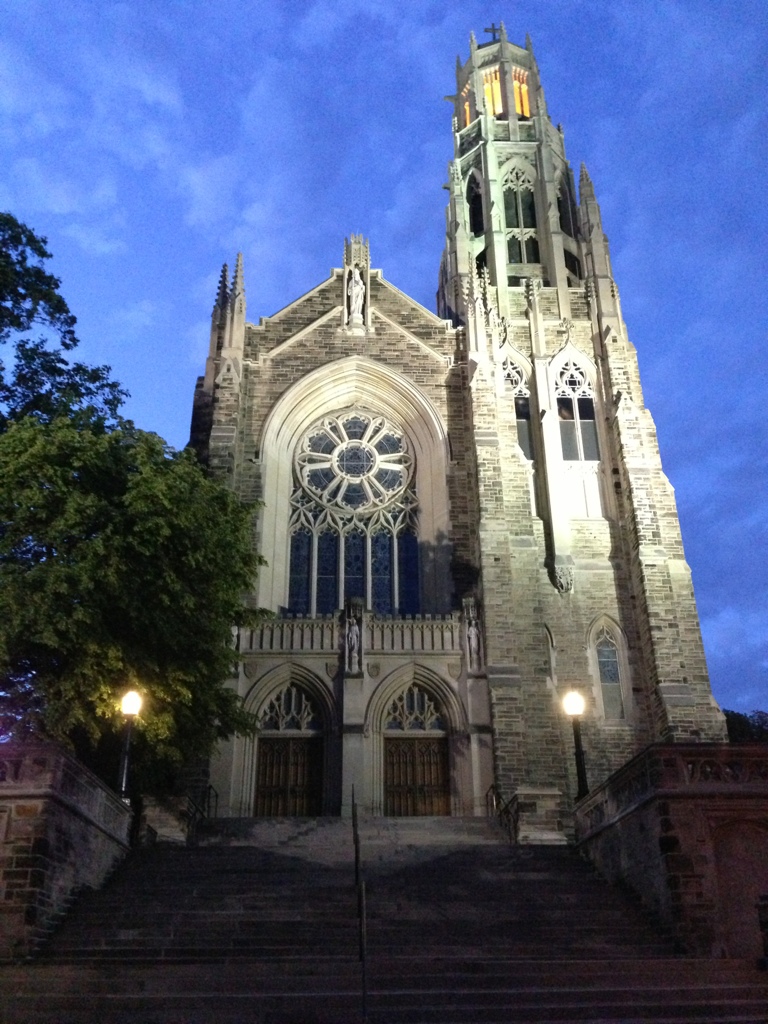
Cathedral of Christ the King – 714 King St W, Hamilton
Cathedral of Christ the King – 714 King St W, Hamilton
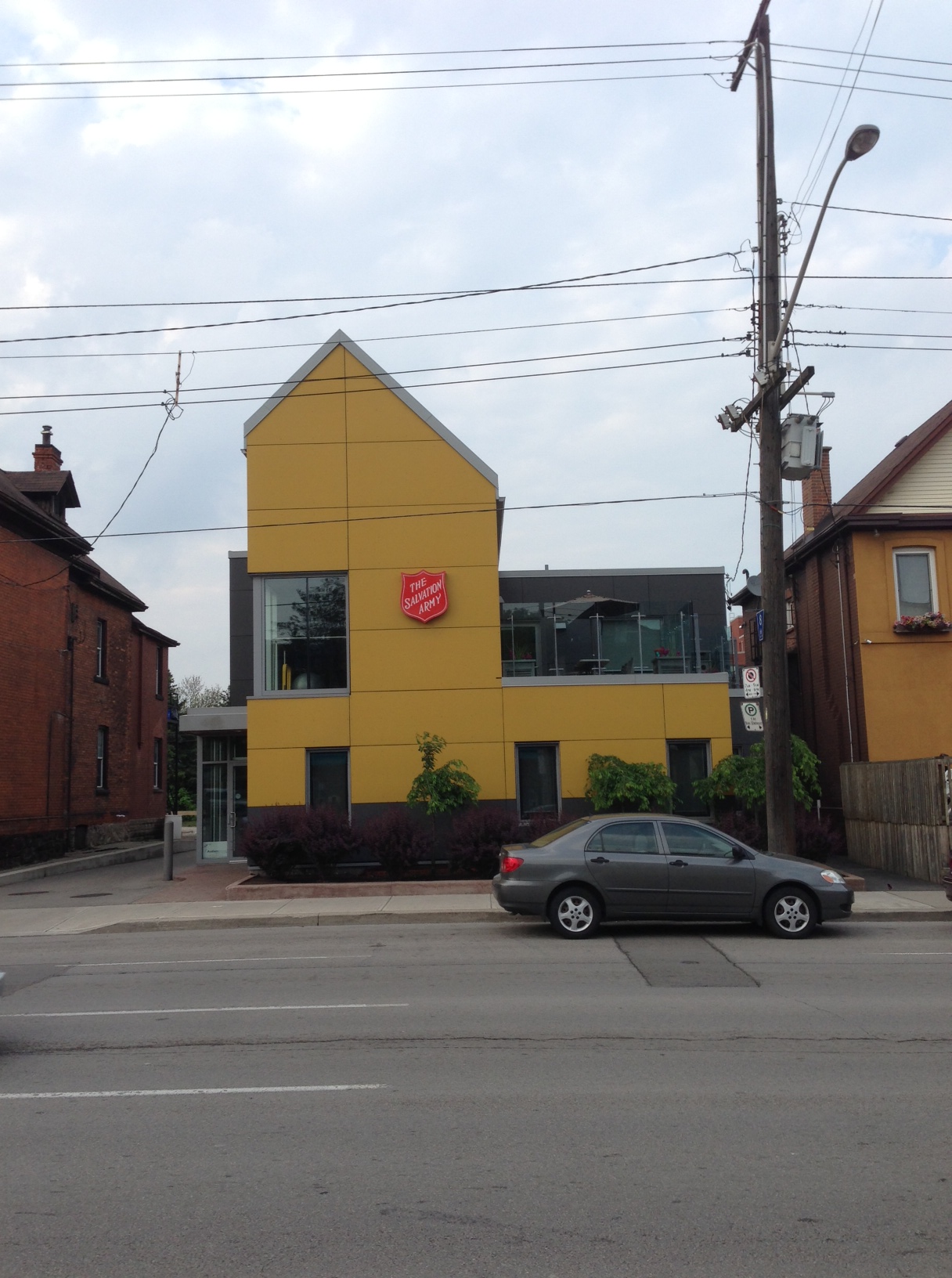
Salvation Army – Lawson Ministries Autism Centre
533 Main St East
Trevor Garwood-Jones & Hanam Architects
Built: 2010
Built in 2010, the Salvation Army – Lawson Ministries Autism Centre was the last building designed by the late architect Trevor Garwood-Jones.

The centre’s distinctive architecture manages to fit seamlessly within the streetscape. It achieves this through its compatible scale with a high-peaked roof, punched windows, and house-like feel.
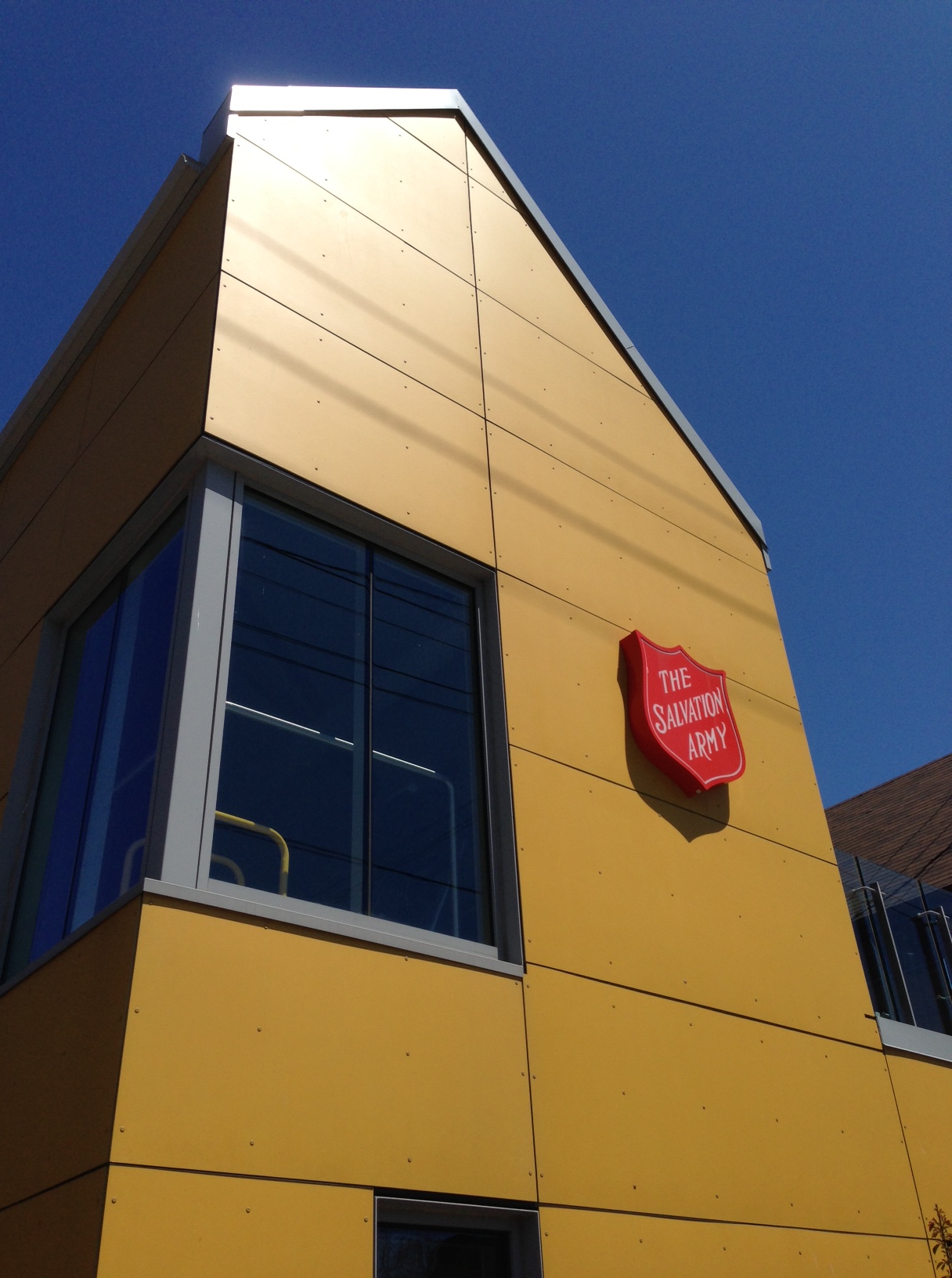
The exterior of the building consists of a yellow compressed concrete cladding, as well as a subtle black cladding along the bottom and sides of the building. The bold yellow cladding creates a uniqueness that separates the centre from its neighbours.
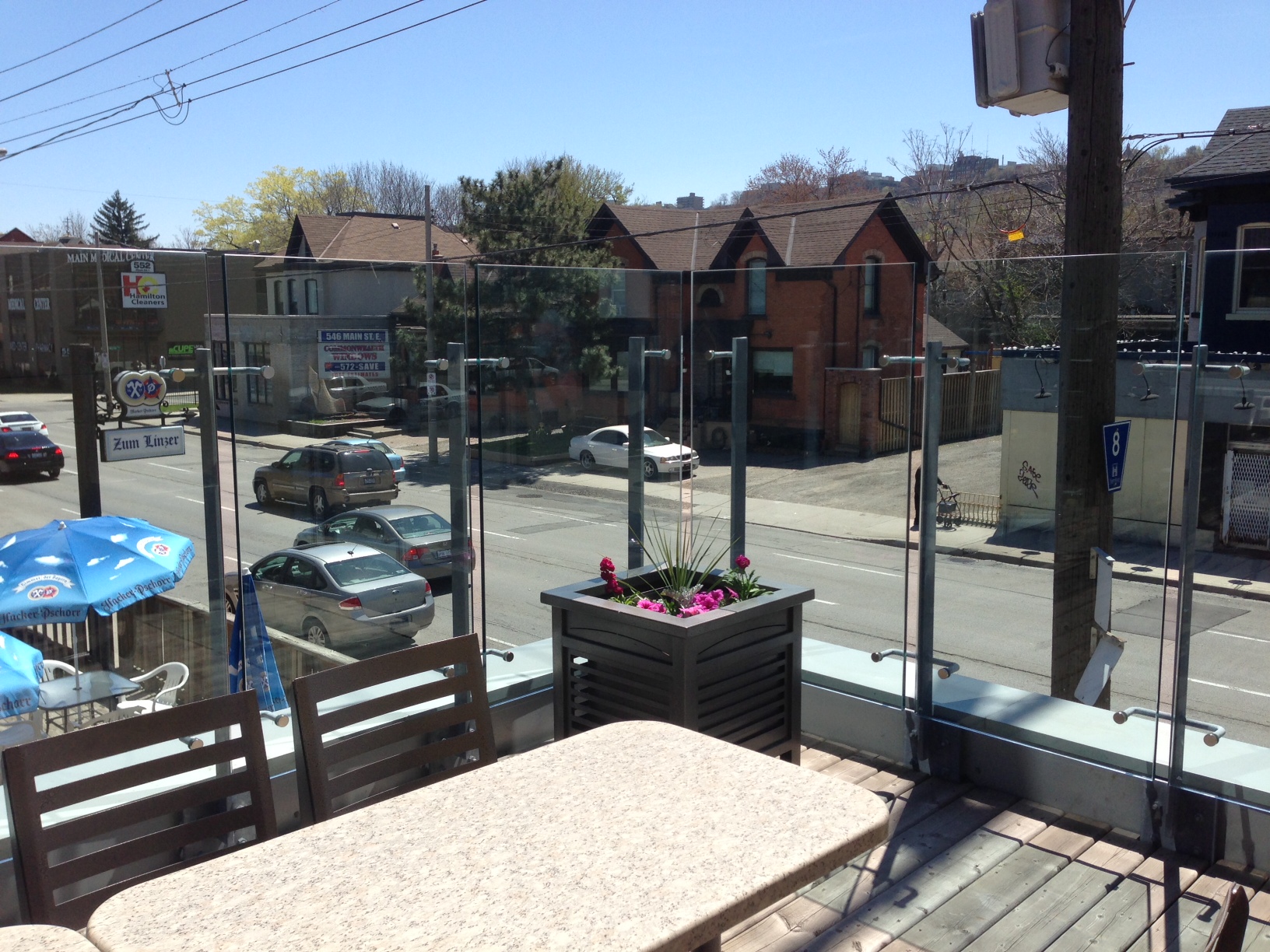
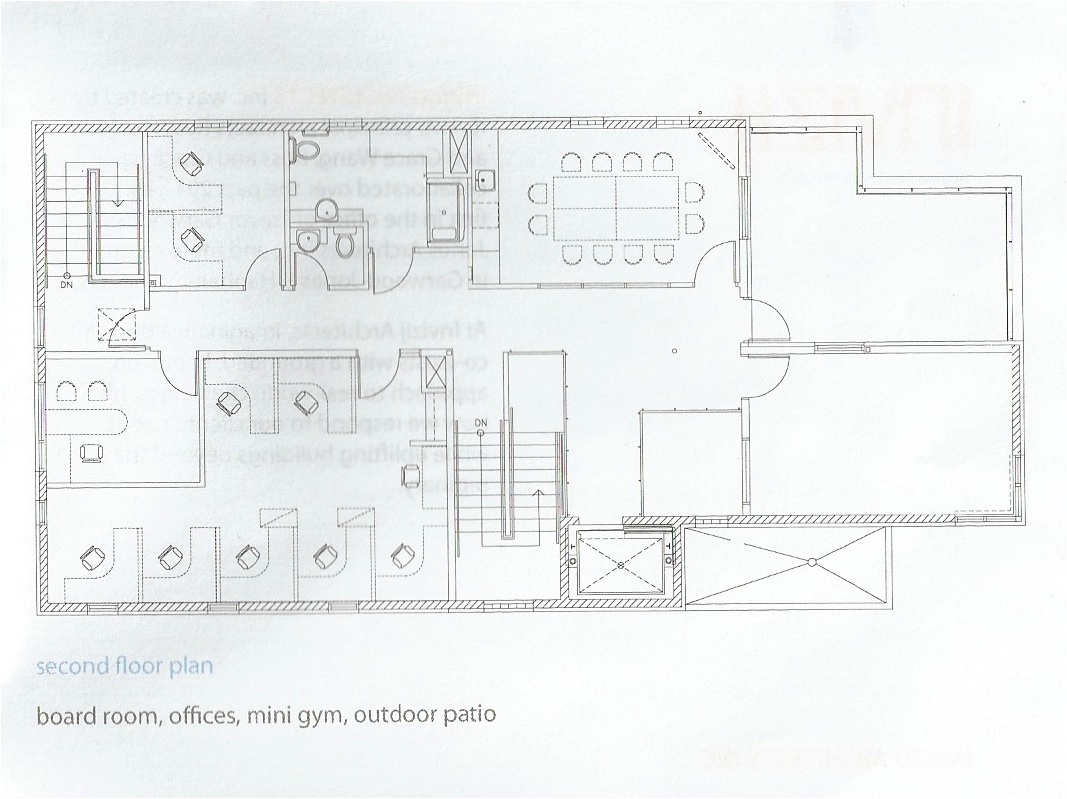
A rooftop patio provides outdoor space to the small infill lot. The frameless glass panels provide an enclosure that more defines the surrounding space.
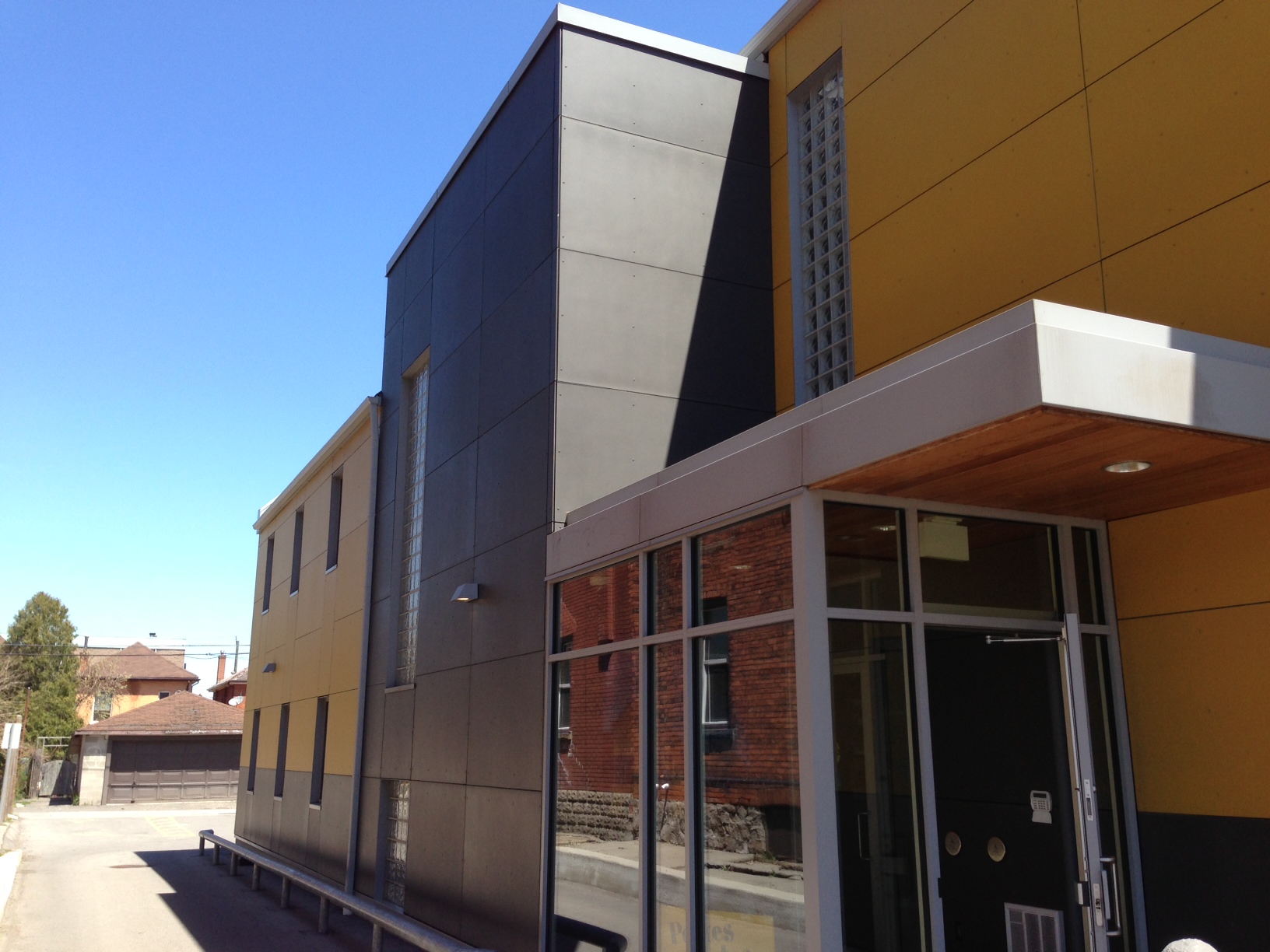
The entrance of the building has a suspended canopy with an accented wood underside. The porch-like entrance signifies the transition between public and private space.

Inside the building, many of the outer walls consist of a glass block paneling, allowing natural light while maintaining privacy.
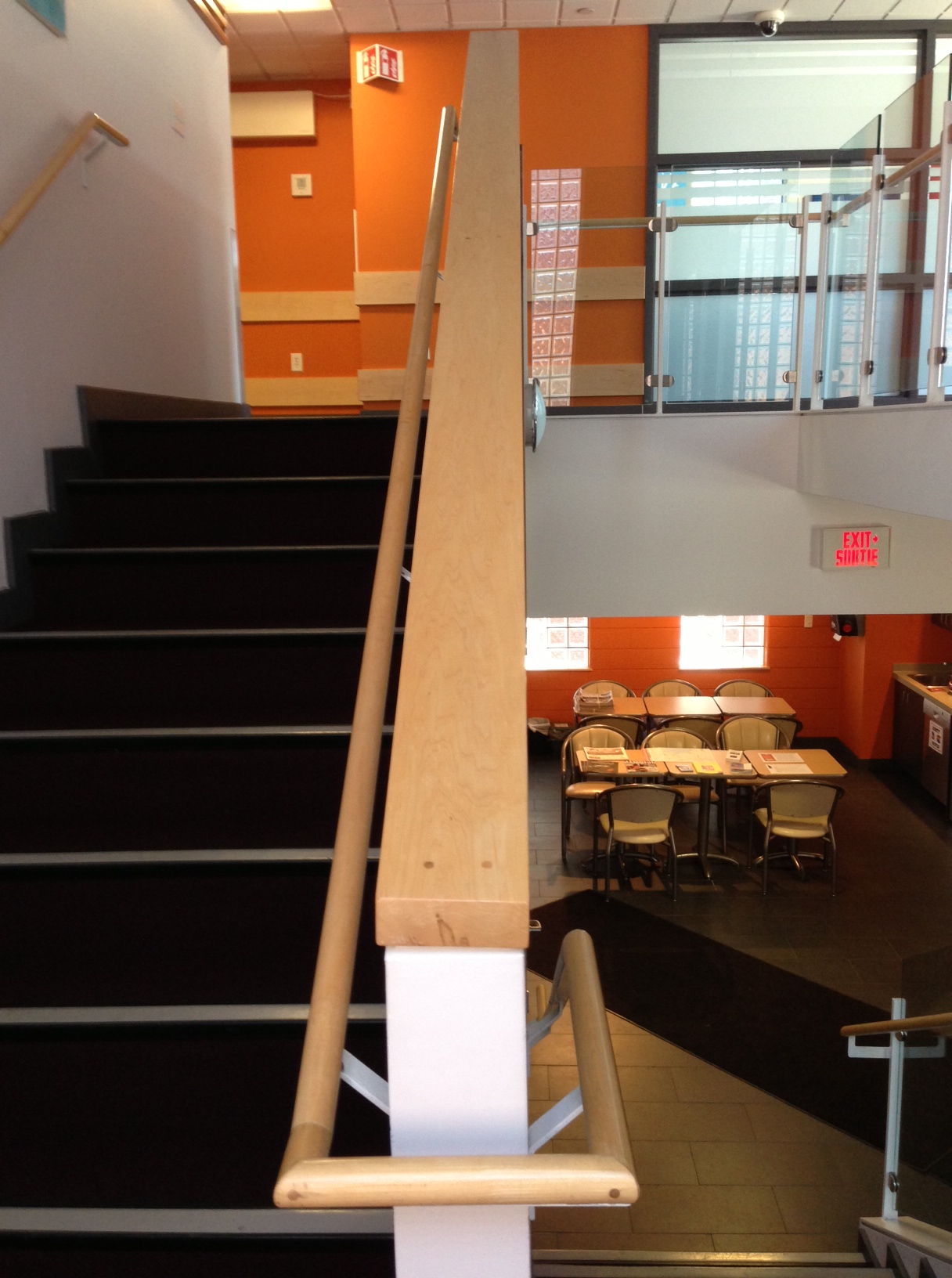
The reception space has some notable features such as an elevator (the building is completely accessible), wood accenting, and a bright orange wall that adds visual weight to the hallway.

The peaked ceiling is highlighted with timber bolted trusses, providing the reception space with a rustic feel.

A feature room of the centre is the Snoezlen Room. This room offers therapeutic multisensory stimulation through the use of lighting, sounds, colors, scents, and other senses.
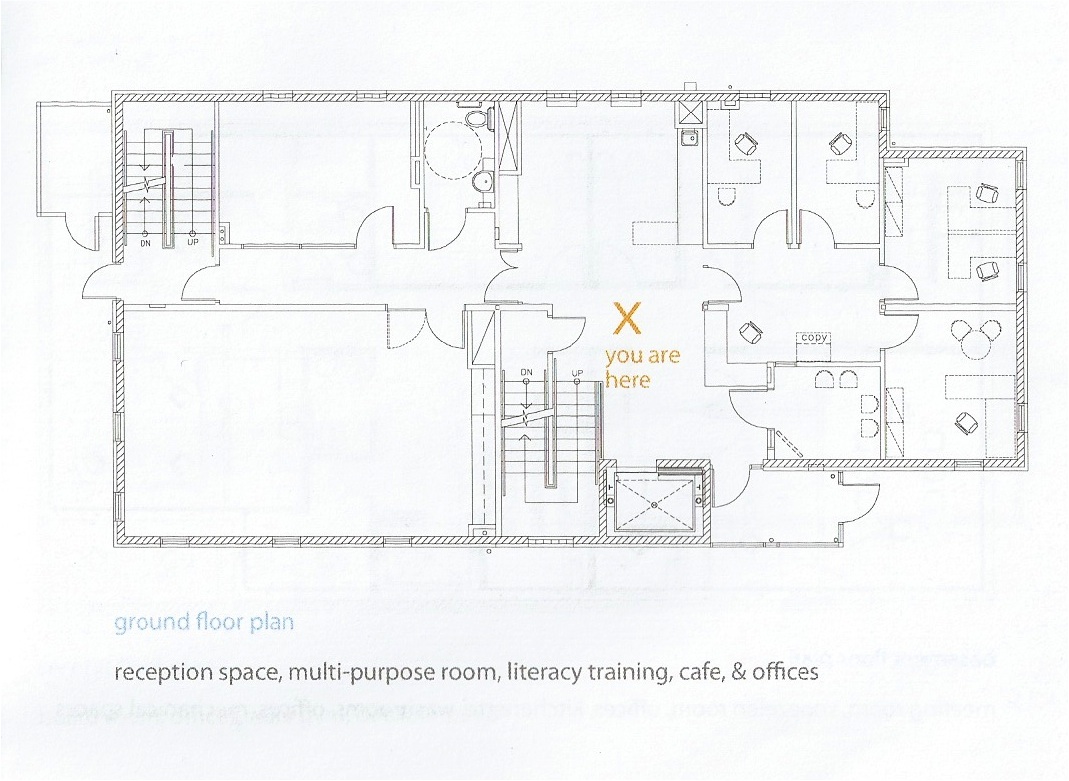
Other rooms in the centre include multi-purpose rooms, a literacy room, café, meeting room, offices, and a mini gym.

Filed under Architecture, Development, Uncategorized
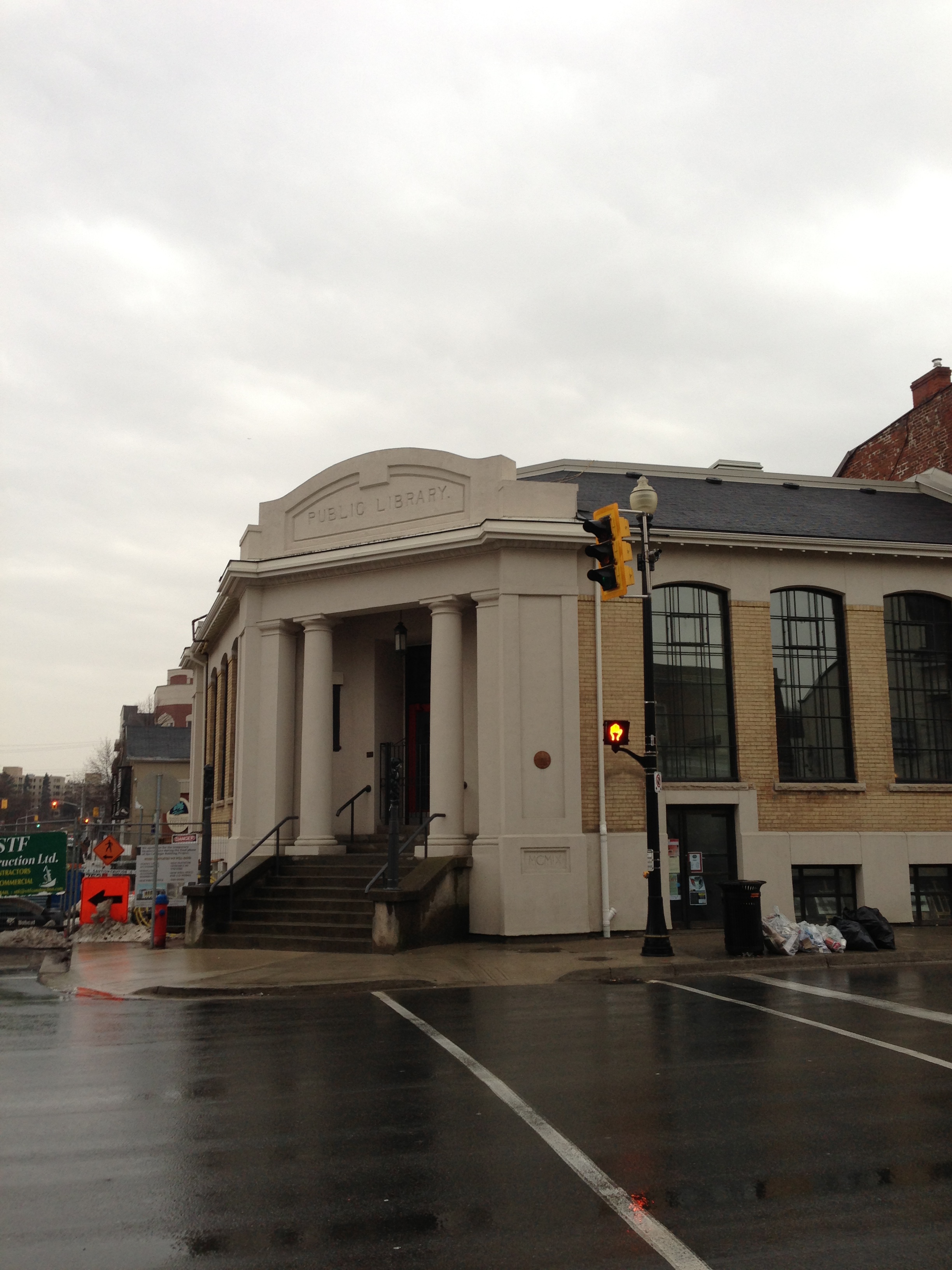
Carnegie Gallery on King Street W and Ogilvie Street, Dundas
One of the most beloved heritage buildings in Dundas is getting both a facelift and a new addition.
Carnegie Gallery is in the midst of a revitalization project by Dundas-based architects Perkins + Will. The changes being made to the gallery include street level accessibility, a wheelchair accessible washroom, a visitor operable elevator, and some extra gallery wall space, among others.
The street level accessibility will be on Ogilvie Street, via the new addition. This addition will be an atrium, which is superimposed against the southern side of the building. The atrium will feature large floor-to-ceiling windows facing the street and a brick accent that should fit seamlessly with the building’s existing exterior.
The building is a neoclassical (or beaux arts) design, with its tall staircase, portico, doric columns, and half columns.
Originally Carnegie Library, the building first opened its doors on December 8th, 1910. The city was one of 111 cities in Ontario (125 in Canada) to receive a grant of $12 000 USD from the Carnegie Foundation. Pittsburgh steel tycoon Andrew Carnegie created the foundation to promote education. In order to qualify for the grant, a municipality had to be able to provide library maintenance by raising an annual amount of one-tenth the grant, from taxes.
The library stayed open until 1970, when a new municipal library was erected further south on Ogilvie Street. The space was converted into a children’s library that lasted only ten years, after which, it was then leased to the Dundas Art and Craft Association.

Heritage Plaque on the side of Carnegie Gallery
In 1980, Carnegie Library was designated as a heritage building and was converted into Carnegie Gallery in 1981. The building was later purchased by the City of Hamilton in 2006.
Carnegie Gallery currently exhibits bodies of work by local artists and contains a gallery shop that sells art and other goods.
The Province of Ontario has provided the Dundas Arts Community Foundation with a 1.2 million dollar grant for the Carnegie Library Revitalization project.
Filed under Architecture, Heritage
Over the last 67 years much has changed in Hamilton. In the 1946 promotional video “Portrait of a City” there is a lot to compare between Hamilton’s past and present. Here, in this three part series, is a timeline breakdown of the video:
1:47 — Dundurn Castle is one of Hamilton’s most visited and notable sites. It was home to Sir Allan MacNab – one of Canada’s first Premiers. Before the castle was erected, the British used the site as a military post during the War of 1812. Later, when English architect Robert Wetherall was designing the building, MacNab had him incorporate some of the military post into the overall design. The castle was constructed between 1832 and 1835.
3:14 — Did you notice the streetcar on King Street? Believe it or not, Hamilton used to have streetcars (hence, the term “Hamilton Street Railway”). They were in use until 1951, when changes to the city’s transportation infrastructure began and streets were being converted from two-way to one-way. Over 60 years later, with a big push from former Mayor Fred Eisenberger and the support of the Provincial Government, LRT talks were back on the table in Hamilton (although these talks have since stalled).
3:30 — Hamilton still has a prime geographical location in the centre of the Golden Horseshoe. Here is a current list of cities and their proximity to Hamilton, via Hamilton Economic Development.
4:46 — Liuna Station, located on James St. North, is a train station turned banquet hall that was designed by Canadian National Railway architect John Scholfield. Built between 1929 and 1930, the station is of a neo-classical architectural design. The southern façade, a beautiful feature of the building, has a deep portico, with Doric columns that pay homage to Parthenon. Liuna Station was in service until 1993 and sat abandoned until 2000, when it was renovated and converted into a beautiful banquet hall that hosts some of the most distinguished balls and benefits in the city – a great example of heritage preservation.
5:19 — Hamilton’s port lands are slowly receding into recreational waterfront – which is important for the future development of Hamilton – due to the city’s shrinking industrial economy. However, there is still plenty of activity in the bay. For example, the ongoing remediation plan for Randle Reef, which proposes more commercial space, as well as some pedestrian-friendly amenities.
Stay tuned for the second instalment…
2013 looks to be a very promising year for the City of Hamilton. From the West End to the East End we will be seeing a lot of new developments gracing the city’s skyline.
Among these new developments are:
Urban West – 427 Aberdeen
Aberdeen Ave and Dundurn St. S
KNY Architects
New Horizon Developments
Starting at $233,990
Urban West is situated at the corner of Dundurn and Aberdeen. Sitting near the Niagara Escarpment, it offers a beautiful view of the city. At grade the exterior of the building is composed of stone, followed by two floors of brick, as well as stucco accents that run vertically to the top of the building. The building also has plenty of glass, offering more natural sunlight and panoramic views.
This seven-storey complex consists of two floors of parking space, seven units for the next four floors and five larger penthouse units on the seventh floor. The location of Urban West is one of the best in the city. It is close to a number of amenities including Locke Street, McMaster University and the downtown core.
City Square Parkside Condominiums
Charlton St and Park St. S
KNY Architects
New Horizon Developments
Starting at $206,999
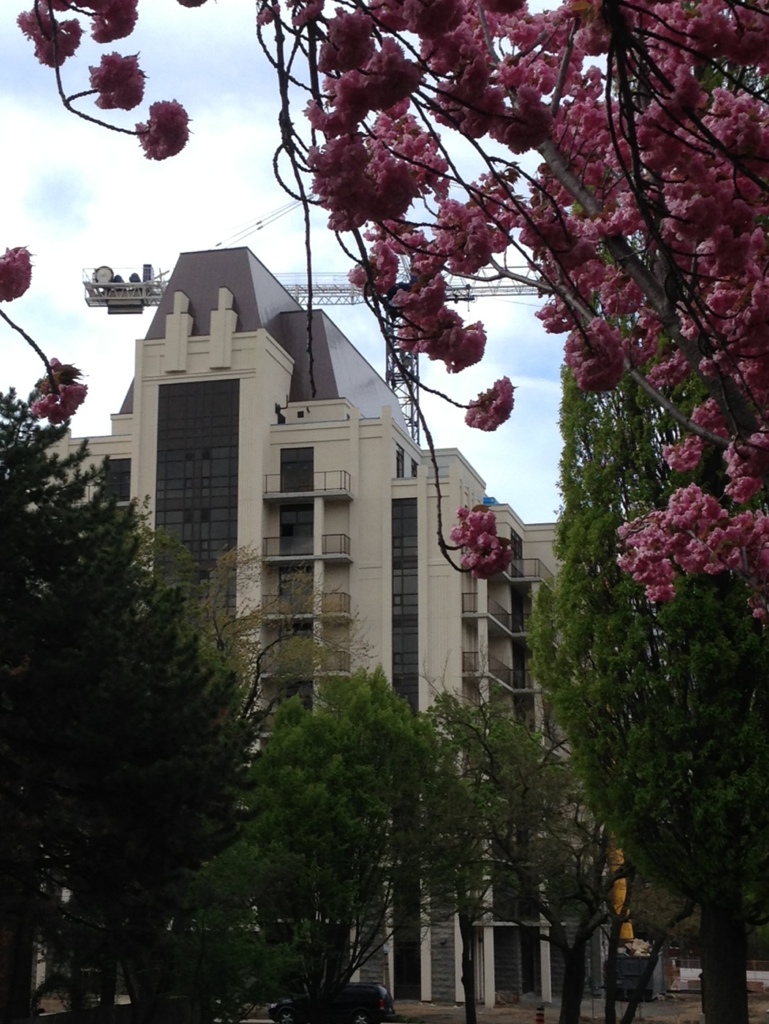
City Square has been one of the hottest new additions to Hamilton’s real estate market. The Square will consist of three towers (the first one is selling out quickly). This complex is situated in the heart of Hamilton’s historic Durand District. These condominiums are beautifully designed by KNY Architects. The architecture is Art Deco-inspired, consisting primarily of stone and glass with a stucco finish, accented with a steel mansard style roof.
All three condominiums will be nine-storeys, with 75 units. There will be underground parking provided on site, as well as some surface amenities. City Square is also adjacent to Durand Park and within walking distance of Locke Street, James Street, and the city’s core.
Homewood Suites by Hilton
Main St. W and Bay St. S
DCYSA Architects
Vrancor Developments
Homewood Suites by Hilton is being built in the heart of the city and right across from McMaster’s new Downtown Health Campus. The hotel is also just a stone-throw away from Hess Village, Copps Coliseum, Hamilton Place, the Art Gallery of Hamilton, and other amenities in the downtown core. Built on the lot that once was occupied by HMP Motors, these suites promise to be a major boost for Hamilton’s core.
The hotel will feature a post-modern architectural design. It will be 15-storeys, with 182 rooms and suites. The hotel will include retail shops at street level, a restaurant, a gym, and a convention centre for meetings.
Filed under Architecture, Development, Economy

 Rebuild Hamilton