
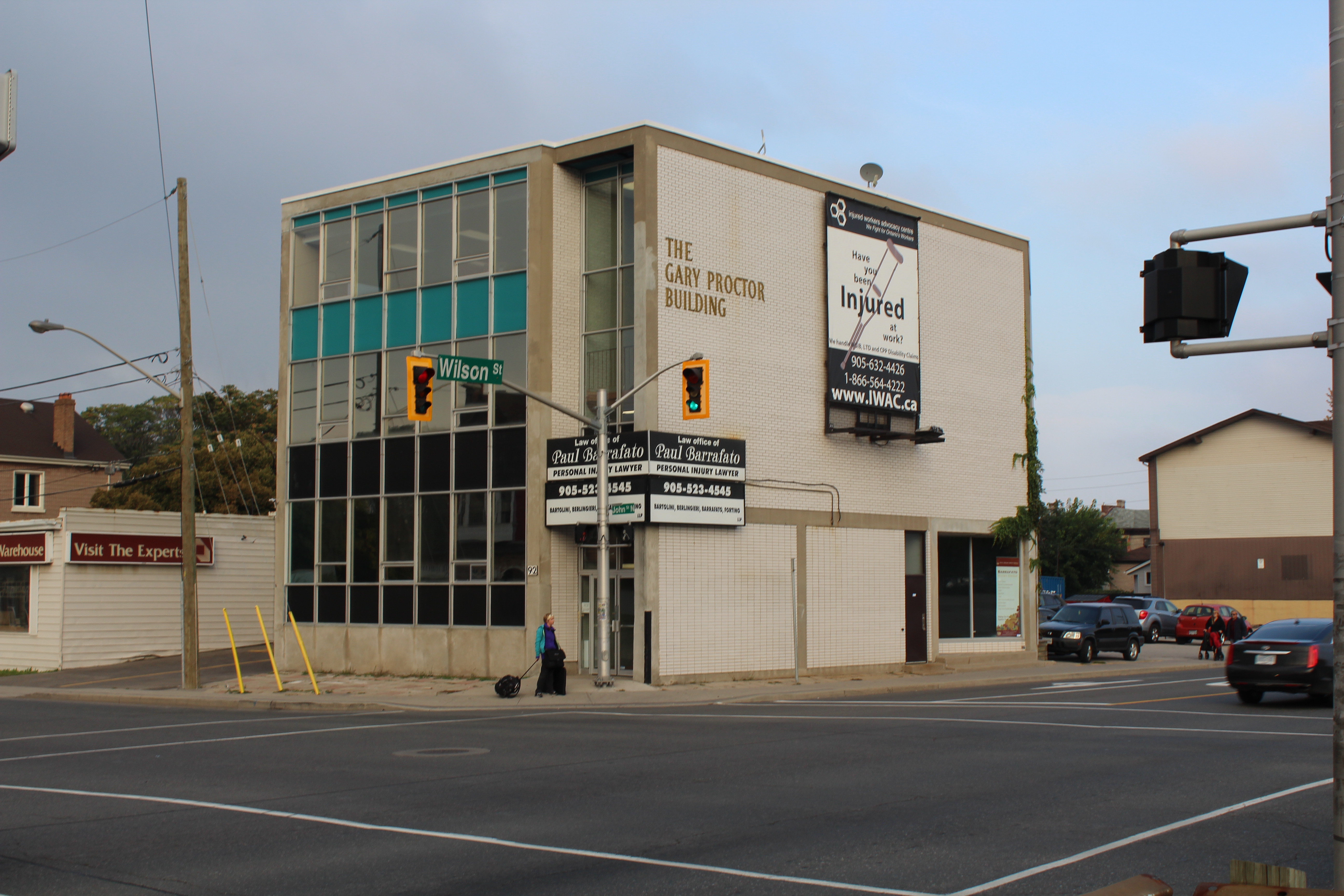
The Gary Proctor Building – 99 John St N

Brutalism in the park: Stanley Roscoe’s public washroom at Sanctuary Park, Dundas
Filed under Photo Of The Day

Exhale Events is excited to announce the Wilderness of Manitoba will be taking to the Casbah with Grey Lands and the Medicine Hat on October 2nd, 2014 for a special leg on their Ontario tour.
The Wilderness of Manitoba is in constant evolution. The band has taken a creative leap with their newest release, Between Colours, holding each one of their albums is it’s own colour that redefines their music between every album they create.
Between Colours hosts a myriad of talent and energy. With multi-instrumentalists Will Whitwham and Amanda Balsys exchanging lead vocals, and Wes McClintock providing up-beat bass line, the album provides the audience with a unique auditory experience.
This incredible line up will also include the captivating sounds from the Medicine Hat and Cuff The Duke Wayne Petti’s new project, Grey Lands. Ben Munoz of New Hands will also be hosting short DJ sets between live sets. Doors at 8PM.
Tickets available at door or here.
RSVP here.
Filed under Entertainment



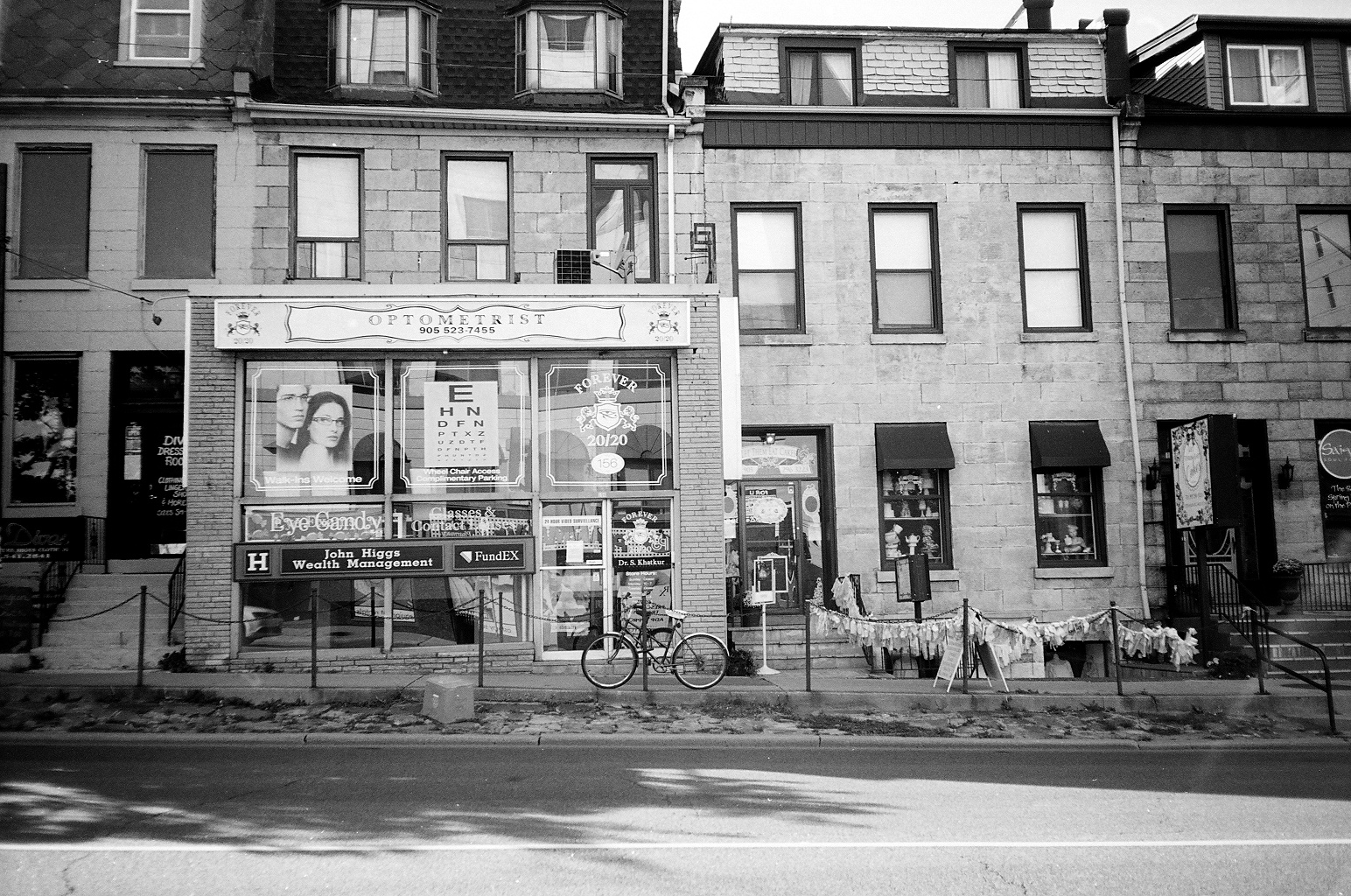


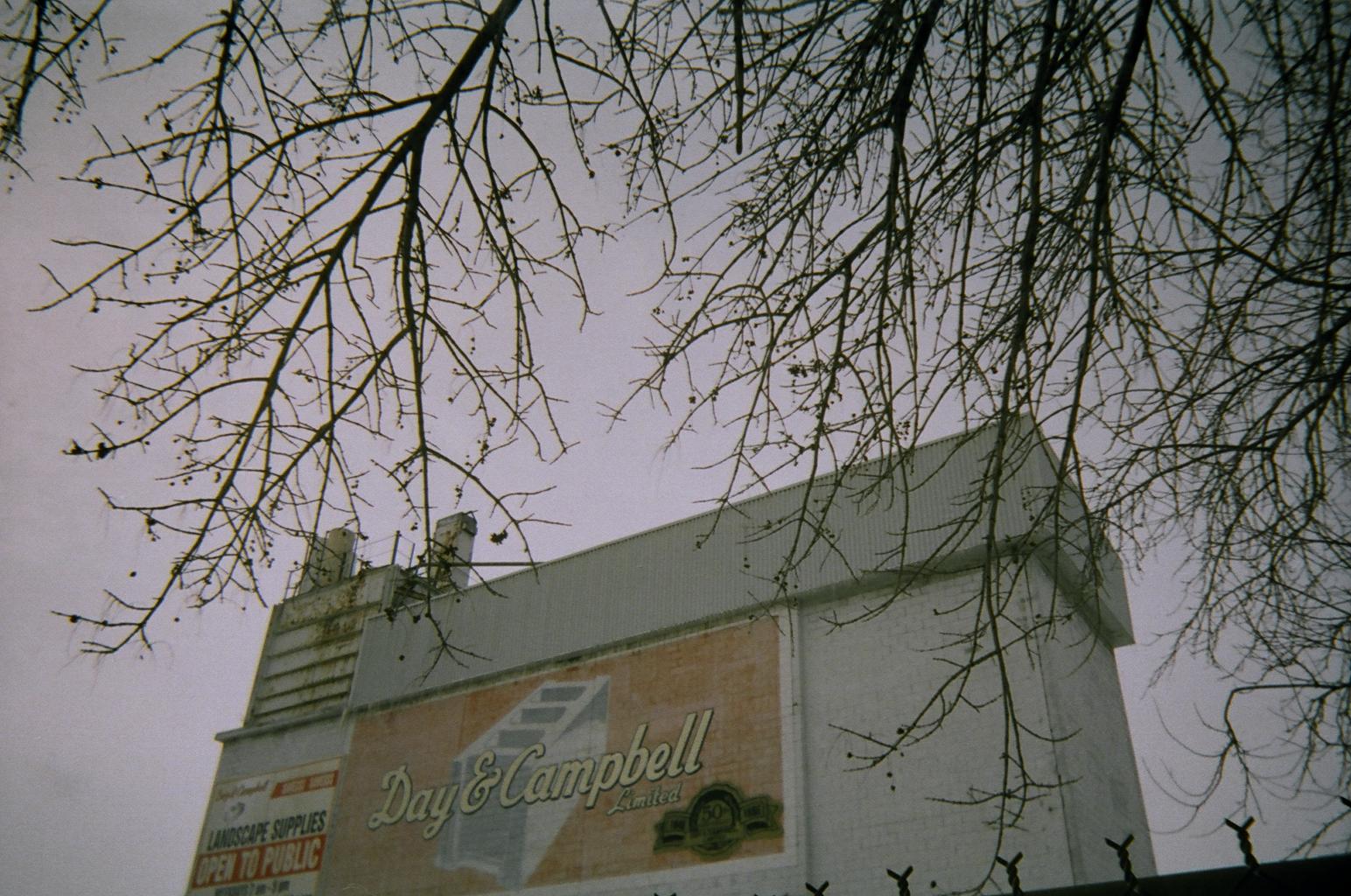

About the photographer:
Steph is a flâneur with a penchant for taking beautiful photographs in and around Hamilton. She likes to take photographs of signs, buildings, bicycles and whatever catches her eye, using disposable cameras.
For more of her work visit: http://justdisposables.ca/
Filed under Entertainment
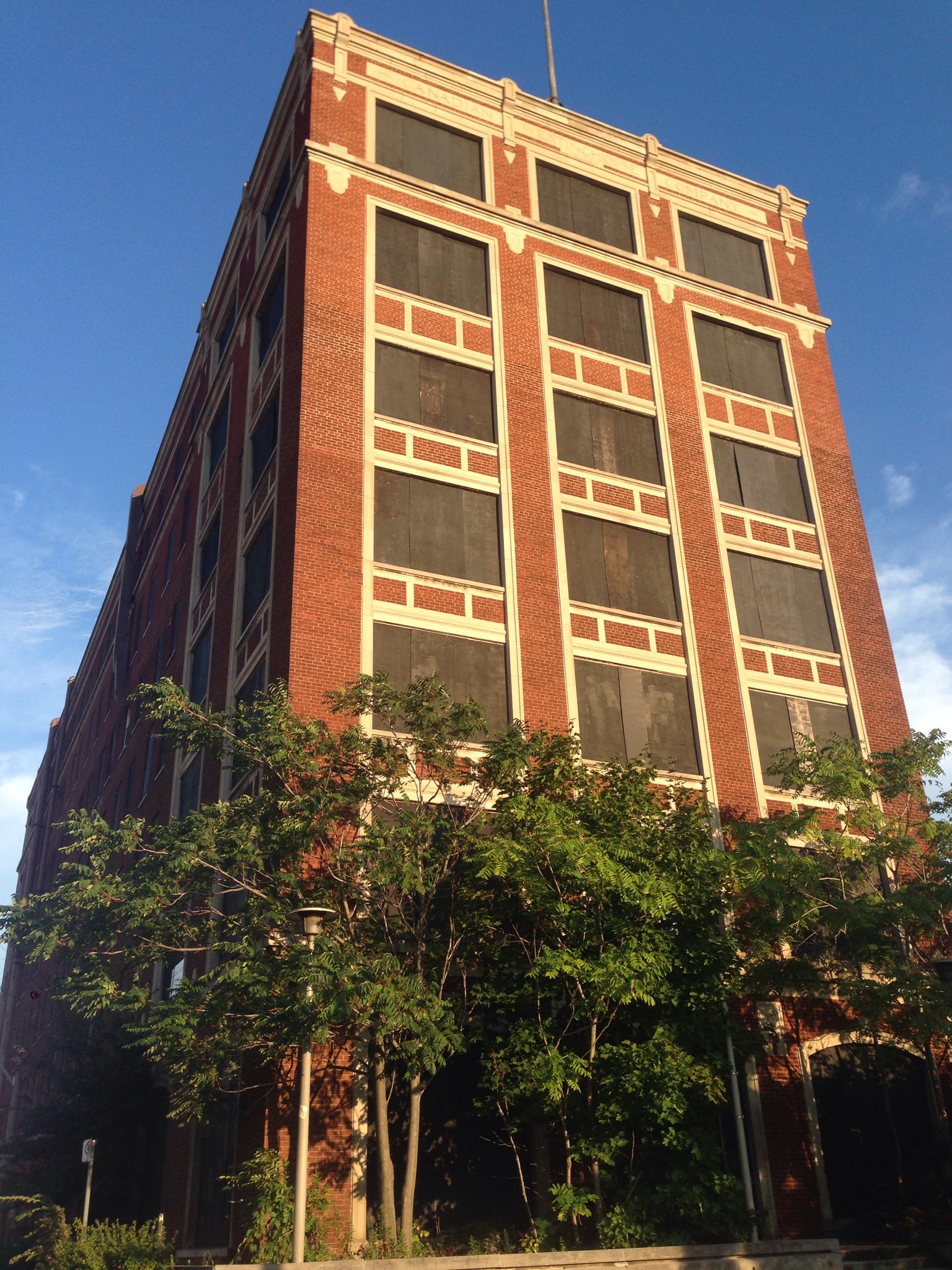
Canadian Westinghouse Head Office – 286 Sanford Ave N
Filed under Photo Of The Day
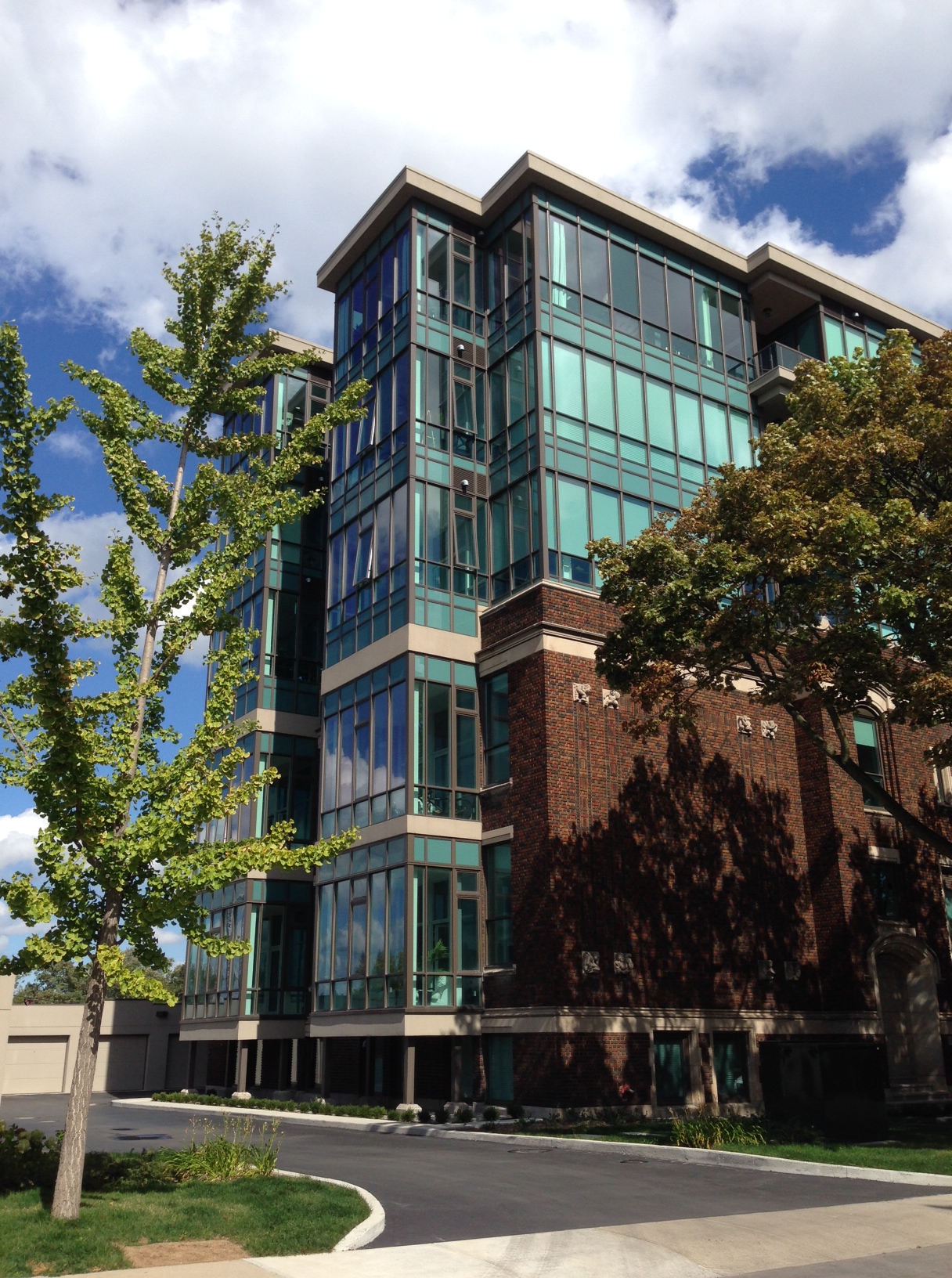 Witton Lofts
Lintack Architects
Core Urban Inc. Development
50 Murray St
Completed: 2013
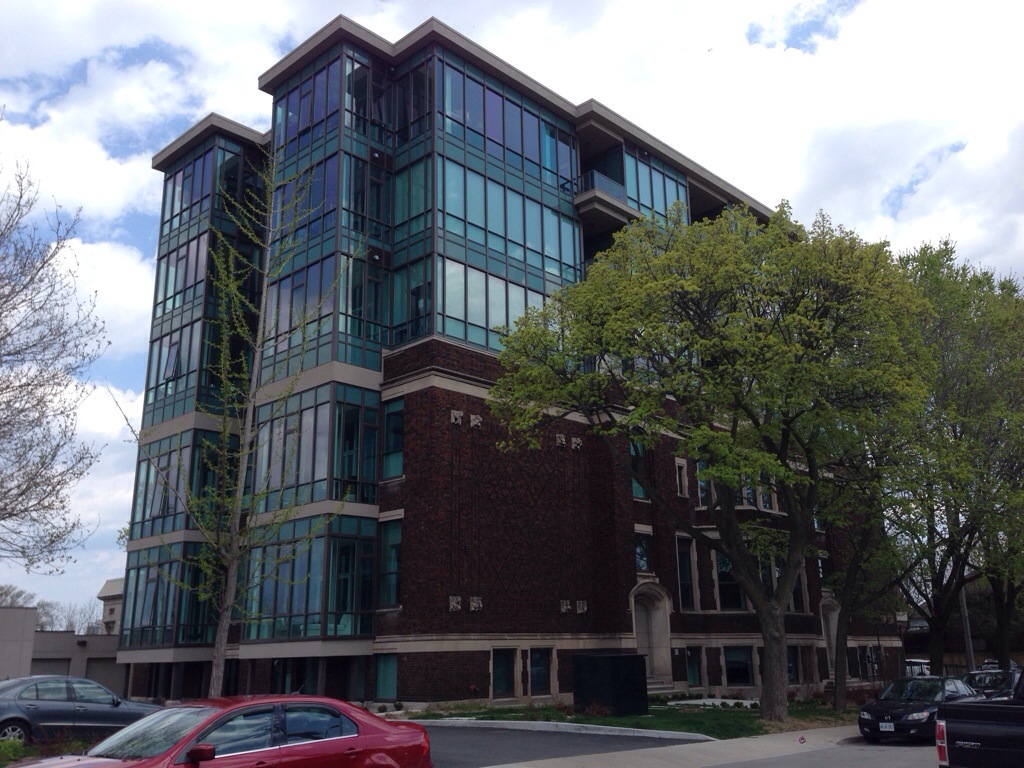
Due to demographic shifts, seemingly poor management, budget constraints, and multiple other circumstances, the Hamilton-Wentworth District School Board is facing school closures throughout the city. Witton Lofts, formerly McIlwraight Public School, is a intelligent example of how you can adaptively re-use a former school without a wrecking ball.
Completed in 2013, the five-storey, 36-unit loft is a catalyst for redevelopment in the core. The design of the building effectively incorporates and preserves the two-storey school from 1925, while a three-storey emerald jewel box of glass and steel is superimposed on top of the neo-Romanesque building. The outcome is a harmonious marriage of contemporary and classical architecture. 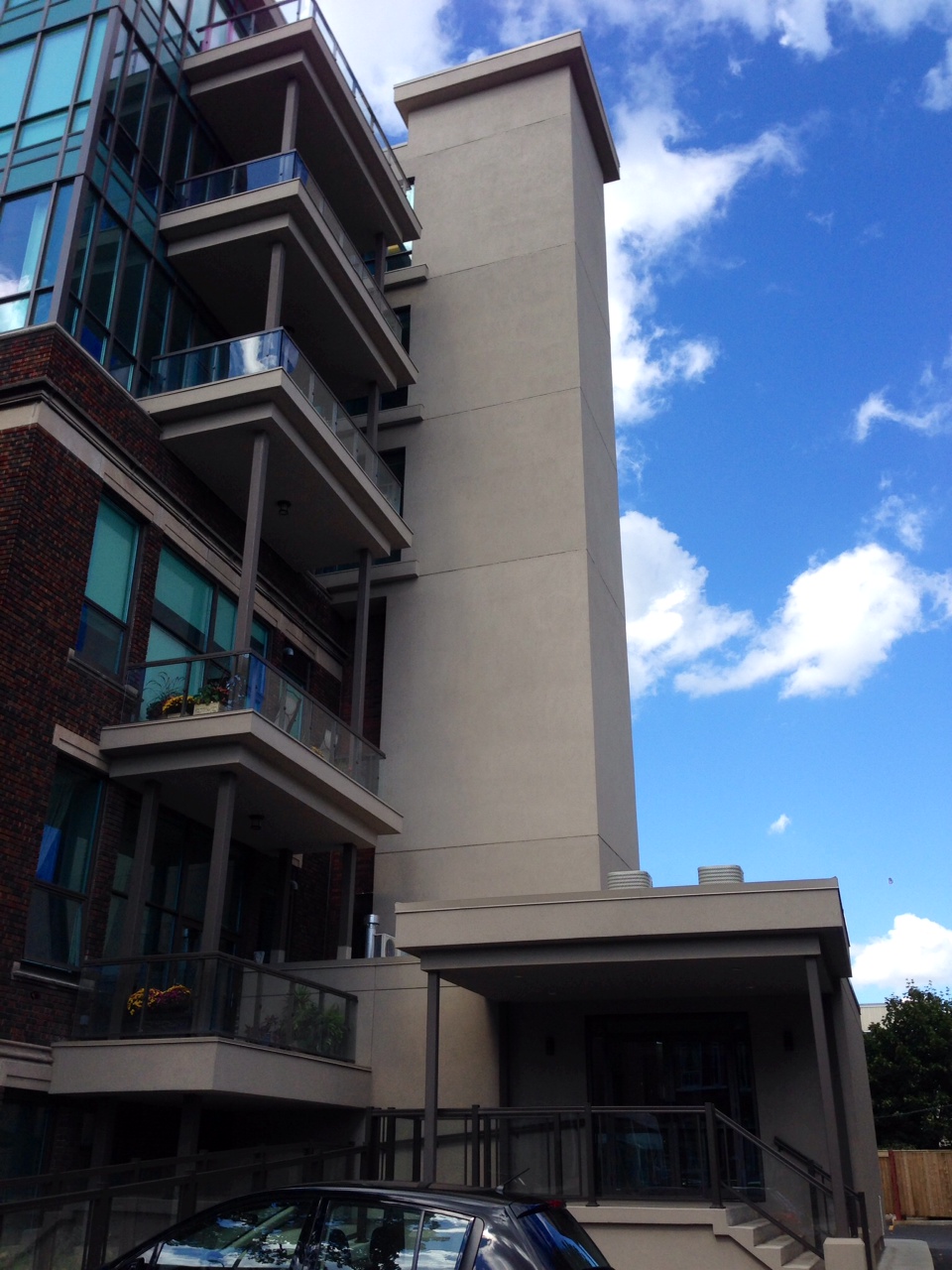 New entrances have been relocated to the east side of the building, where an elevator has been added for accessibility to the upper floors.
  Two additional entrances are also located at the rear of the building under original arched doorways.
  The schools façade has largely remained unchanged with its detailed limestone ornament and intricate, colourful brickwork. The only changes being cosmetic and structural upgrades, such as pot lights and new windows.
With a mixture of both fully enclosed and open-air balconies, the lofts offer panoramic vistas of both the bay and James Street North. 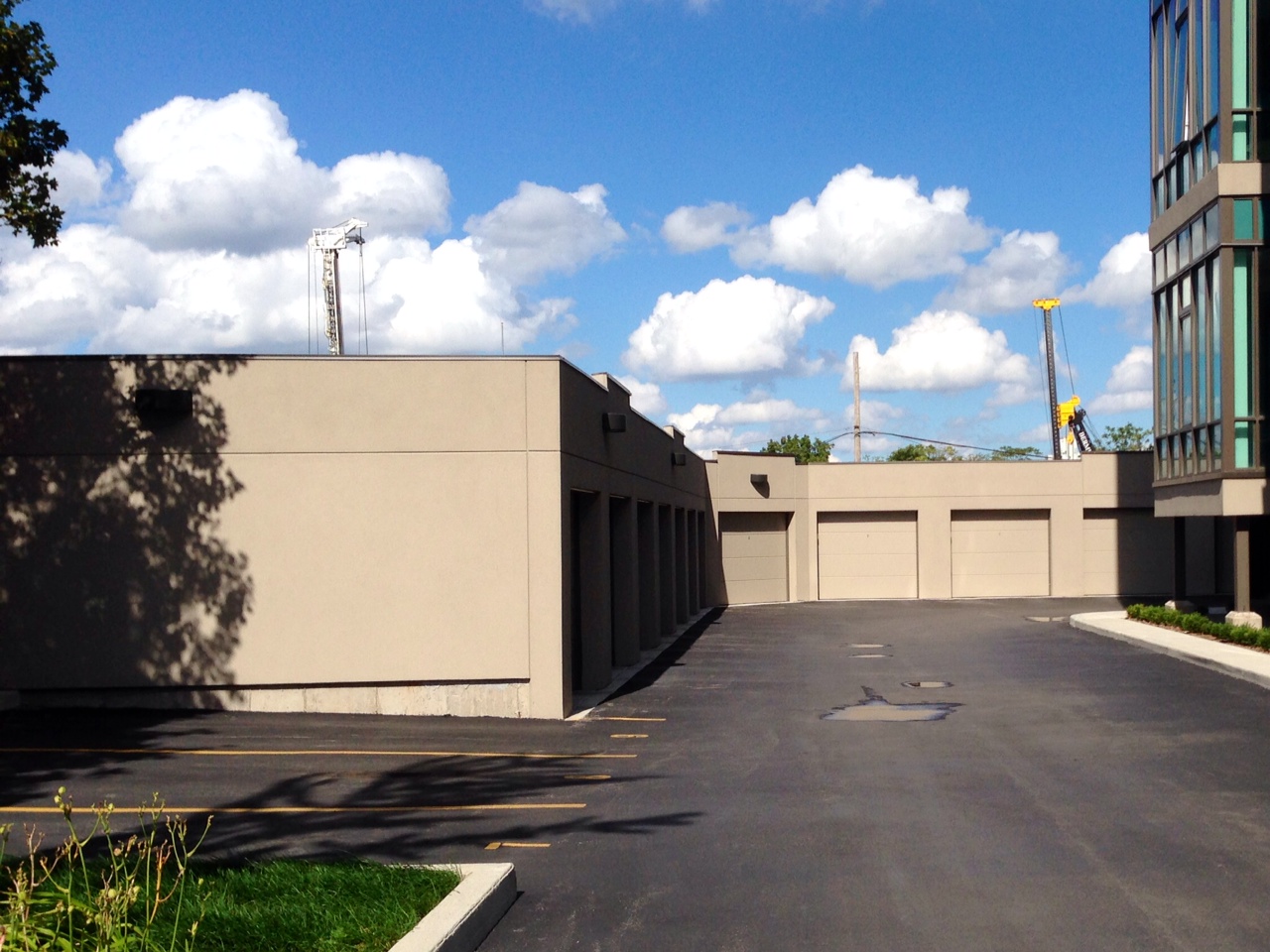 Parking garages for residents have also been added for additional parking and storage.
Architect William Palmer Witton designed McIlwraight Public School while he was partnered with Walter Wilson Stewart. During his formative years, Witton apprenticed under Alder & Sullivan (two of America’s most influential architects) in Chicago between 1893 and 1894, where he was trained in the Beaux Arts tradition. His other notable Hamilton landmarks include Herkimer Apartments, George R. Allan Public School, and a chancel addition to Christ Church Anglican Cathedral, to name a few.
In 2013, Witton Lofts received the City of Hamilton Urban Design Award of Excellence for Adaptive Reuse.
Filed under Architecture
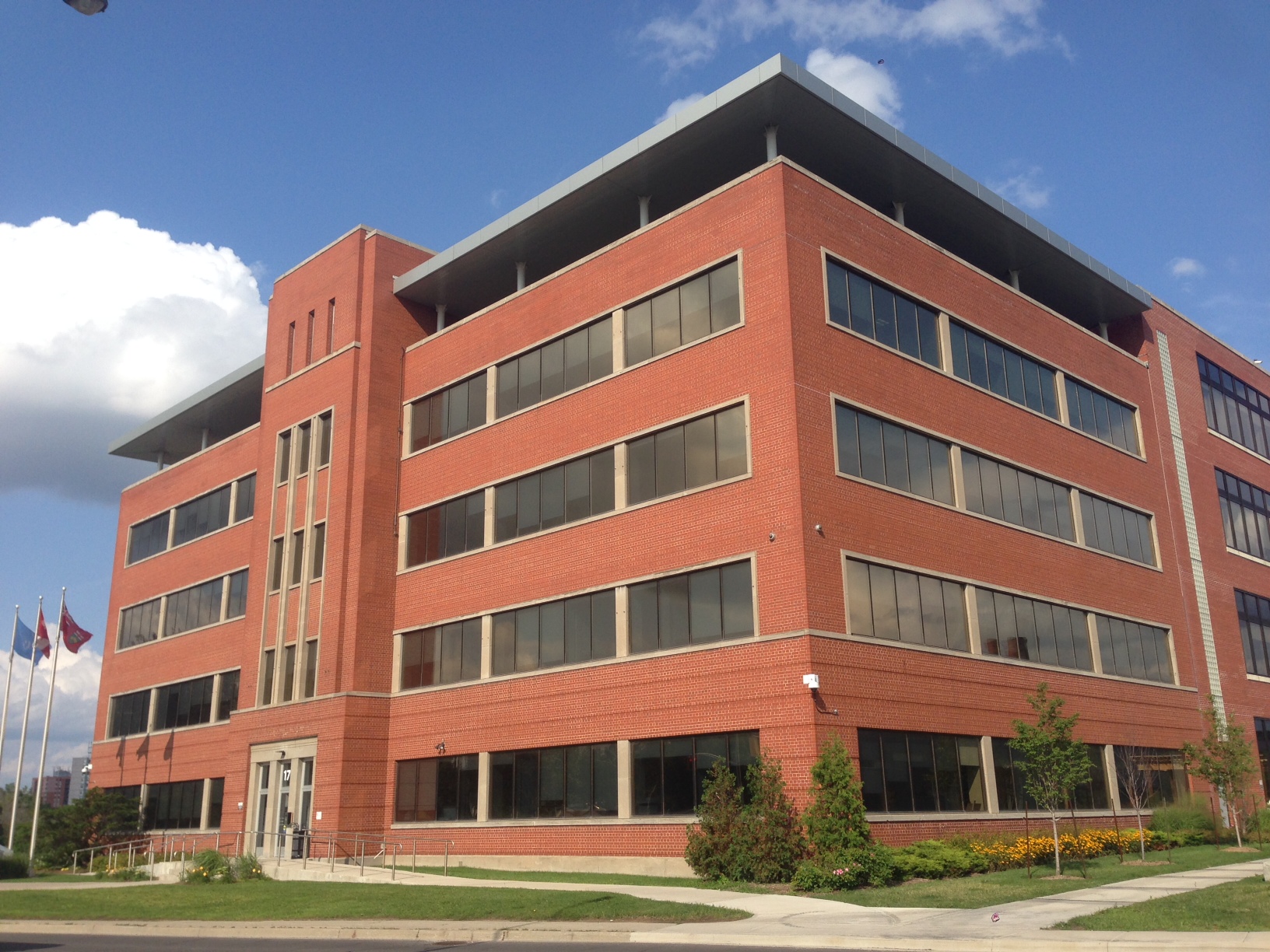
Atrium@MIP (formerly Westinghouse West Plant)
William P. Souter and Associates/Lintack Architects
175 Longwood Road South
Completed: 1950/2009
Kickstarting the renovation projects on Longwood Road South, the premier multi-tenant building at McMaster’s Innovation Park was The Atrium@MIP. Updated in 2009 at a cost of $17 million, it continues to be a strong model of adaptive reuse for the many vacant industrial buildings throughout West Hamilton and beyond.
Formerly the Westinghouse (and later Camco) West Plant office building, it was completed in 1950 as a classic example of modern industrial architecture. Although it has been described as International Style architecture, this should be considered conceptually as a blanket term, rather than an example of a particular style. Designed by William P. Souter and Associates, the building shares similarities with Frank Lloyd Wright’s Larkin Administration Building and Albert Kahn’s Burroughs Adding Machine Plant.


The floor plans of The Atrium@MIP interior shadow the classic Larkin Administration Building – in particular, extensive spatial unity and natural light. The newly renovated framework closely resembles Wright’s Larkin masterpiece, including an innermost light court providing natural luminosity to all floors of the buildings vertical layout.
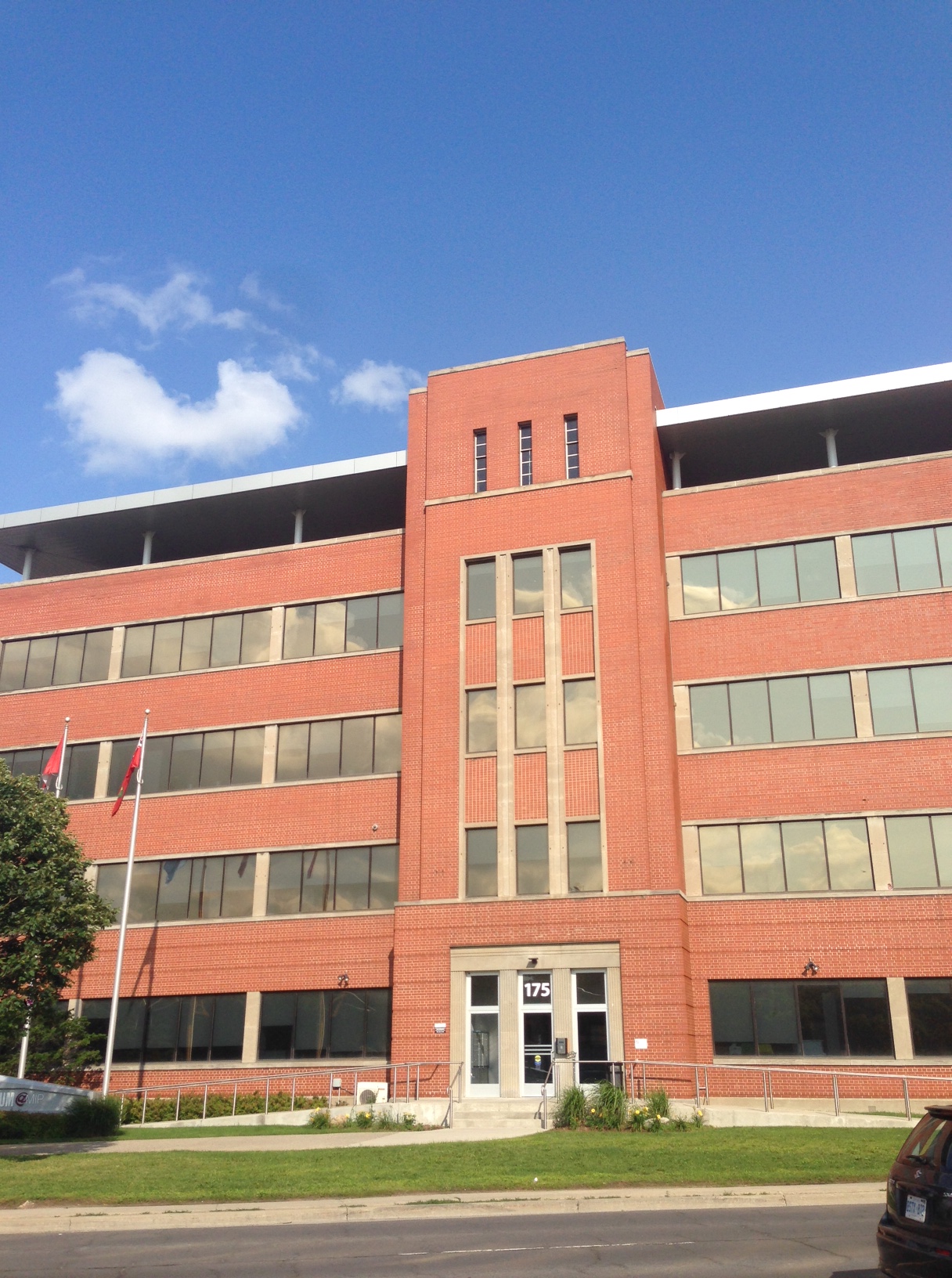

Though much smaller in scale, the surface of the building shares a similar composition to the Burroughs Adding Machine Plant. The red brick façade, stringcourses, tower-like entrance, and symmetrical windows echo the modern influence of the 1930s that inspired Khan in Plymouth.
In 2005, extensive site reclamation of The Atrium@MIP began under the watchful eye of Lintack Architects. Immediately, the mechanical and electrical systems were replaced to increase energy efficiency throughout the entire superstructure. Then, interior partitions were removed to adjust to the new layout, providing better accommodation for a multitude of new offices and the addition of three new elevators.
At the same time, advanced energy efficient and cosmetic upgrades were applied to the exterior of the edifice. Modern insulation, state-of-the-art windows, and an R valve roof coupled with two L-shaped aluminum clad canopies flanking the entrance provide a necessarily contemporary component to the sweeping facelift performed.
Leading the way, the Atrium@MIP was a rewarding project that may provide important lessons to further generations of reuse pending on various uninhabited yet promising sites in Hamilton. These idle but auspicious locations represent the spirit of Hamilton, centralized in an ambitious city and the history it carries forward.
Filed under Architecture


 Rebuild Hamilton